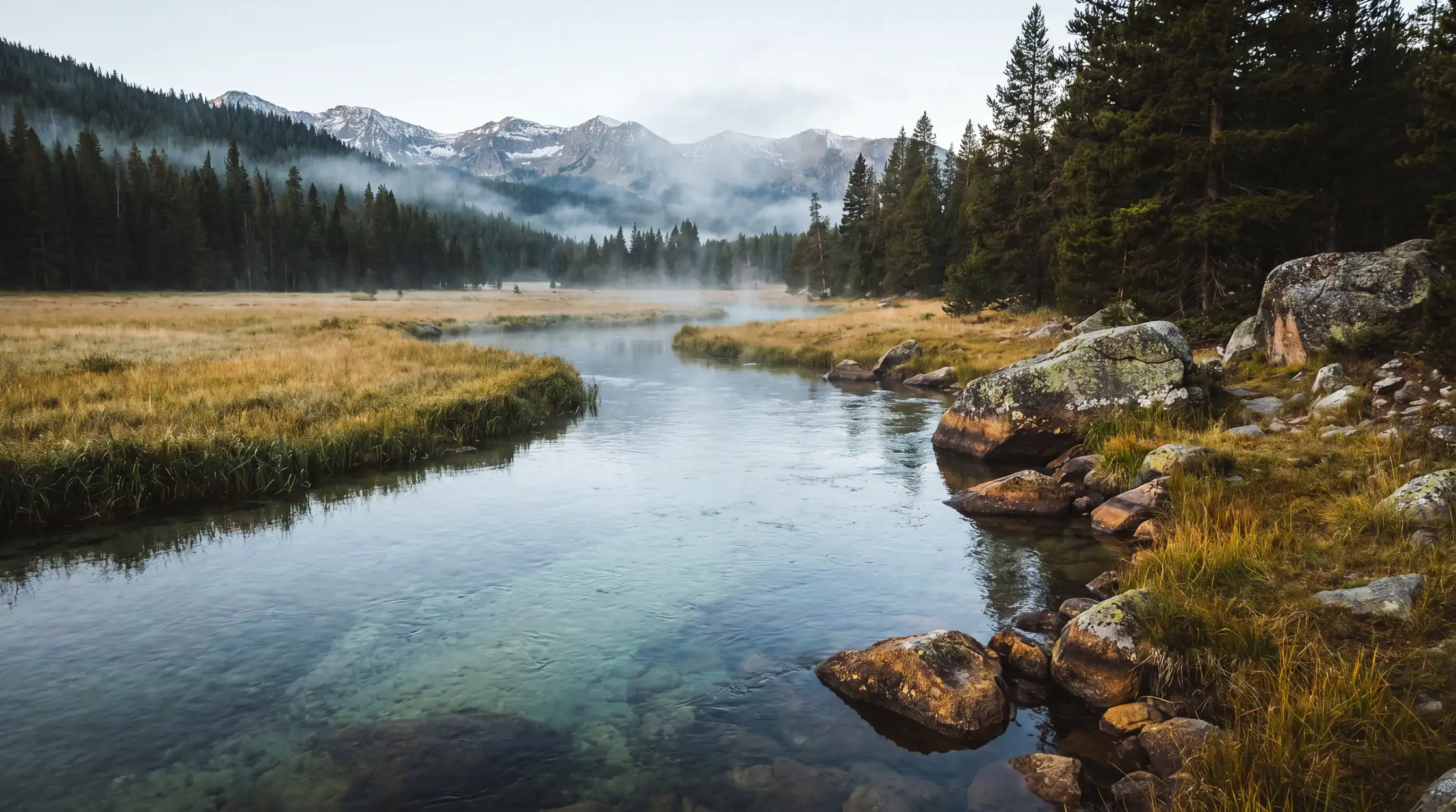
Why the West Dominates Private Trout Fishing
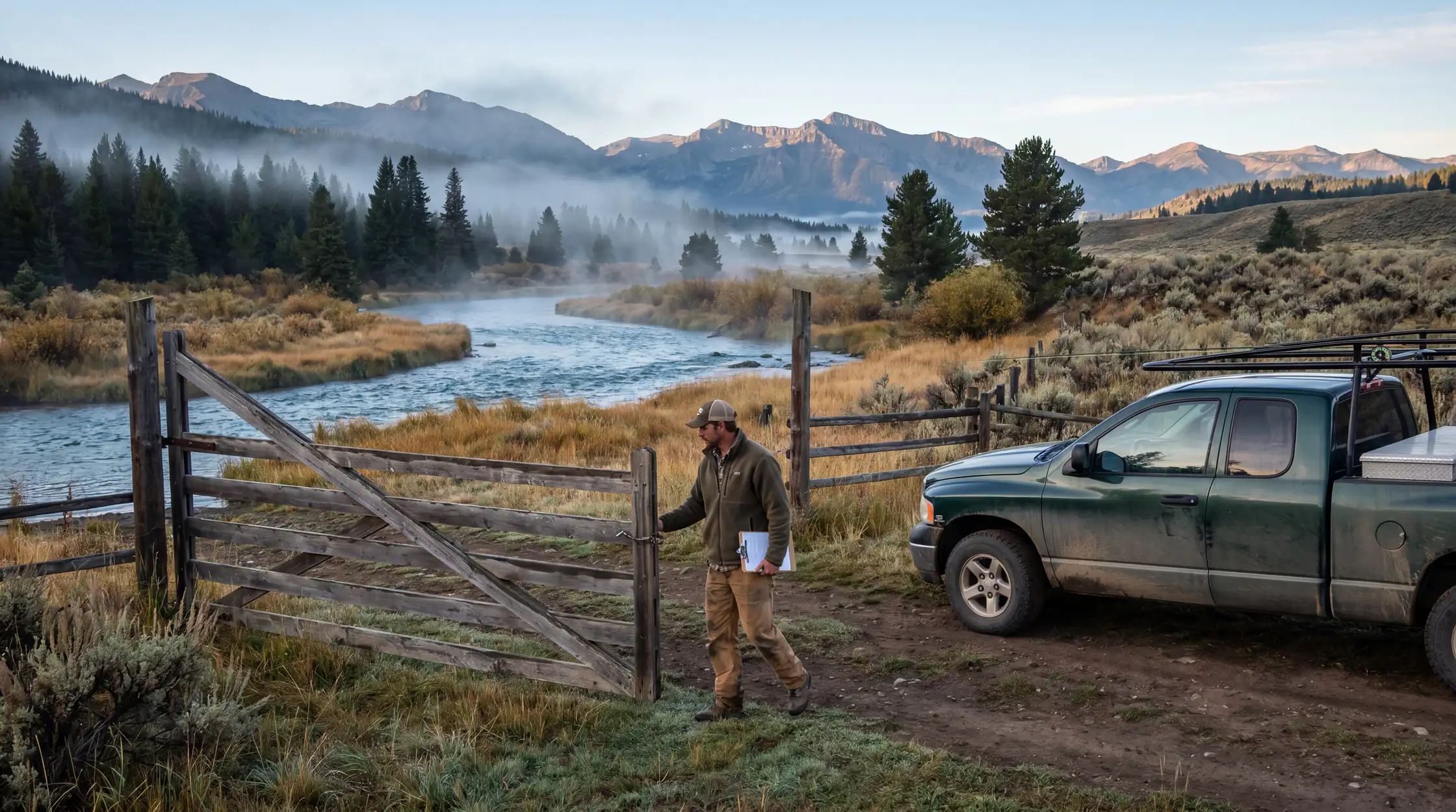
The American West holds the highest concentration of premium private trout water in the country. The combination of cold, clean rivers fed by mountain snowpack, vast ranch properties with extensive river frontage, and a culture of private land ownership creates conditions that simply do not exist in most of the eastern United States.
In states like Montana, roughly 60% of the land is privately owned, and many of the best trout streams flow through working ranches that have been in families for generations. These landowners control access to miles of water that the public will never see unless they fish through a club, outfitter, or access arrangement.
Montana
Montana is the undisputed capital of private trout water in North America. Several regions stand out:
Paradise Valley Spring Creeks Nelson's, Armstrong's, and DePuy's spring creeks south of Livingston are among the most famous private trout waters in the world. These spring-fed streams maintain consistent flows and temperatures year-round, producing extraordinary populations of brown and rainbow trout. Fish averaging 16 to 20 inches are common, with specimens exceeding 24 inches taken regularly. Access is controlled and rod-limited, typically costing $100 to $200 per rod per day.
Upper Missouri River Tributaries The streams feeding the Missouri River between Helena and Great Falls flow through vast cattle ranches. Tributaries like the Smith River headwaters, the Dearborn, and numerous small creeks hold wild brown and rainbow trout in settings that feel genuinely remote. These waters are accessed primarily through clubs that have built multi-decade relationships with ranching families.
Bitterroot and Clark Fork Drainages Western Montana's river systems offer a mix of cutthroat, rainbow, brown, and bull trout. Private ranches along the Bitterroot Valley and Rock Creek area provide access to water that sees a fraction of the pressure on nearby public stretches.
Colorado
Frying Pan River Valley The Frying Pan below Ruedi Reservoir is famous for its public tailwater, but the valley also contains private ranches with exceptional spring creek and side-channel habitat. These private stretches hold brown trout that benefit from the same cold, consistent flows as the public water but with dramatically less pressure.
Roaring Fork Valley From Aspen downstream through Basalt and Carbondale, the Roaring Fork and its tributaries flow through a mix of public and private land. Private ranches along the Crystal River, Frying Pan, and main Roaring Fork offer some of the most scenic trout fishing in the state.
South Park The broad grassland basin of South Park in central Colorado contains spring creeks and tributaries of the South Platte that wind through enormous ranches. The South Platte headwaters in this region hold wild brown and rainbow trout in spring creek environments that rival Montana's best.
San Luis Valley The Rio Grande headwaters and their tributaries in the San Luis Valley are an underappreciated fishery. Private ranch water in this region provides access to wild brown trout in a high-desert setting with very few other anglers.
Wyoming
Snake River Tributaries The tributaries of the Snake River below Jackson Hole, including streams flowing through ranch land in the Star Valley and Hoback regions, hold Yellowstone cutthroat, brown, and rainbow trout. Private water in this region benefits from proximity to Yellowstone's nutrient-rich ecosystem.
North Platte Headwaters The upper North Platte in southern Wyoming, near the Colorado border, flows through large ranch properties. This is predominantly brown trout water with fish that grow large in the river's productive alkaline flows.
Wind River Range Streams descending from the Wind River Range through ranch land on the eastern slope offer wild trout fishing in spectacular settings. Access is limited and typically available only through clubs with established landowner relationships.
Idaho
Silver Creek Silver Creek near Sun Valley is one of the most challenging and rewarding spring creeks in the West. While portions are publicly accessible through The Nature Conservancy preserve, surrounding private stretches offer less pressured fishing for large rainbow and brown trout that feed selectively on prolific hatches.
South Fork of the Boise Private ranch water along the South Fork of the Boise and its tributaries provides access to wild rainbow and bull trout in a canyon setting that remains remarkably uncrowded.
Oregon
Deschutes Basin The Deschutes River tributaries flowing through ranch land in central Oregon hold wild redband trout and steelhead. Private water in the Crooked River and Metolius River drainages offers technical dry-fly fishing in volcanic spring creek settings.
Williamson River The Williamson River in the Klamath Basin is home to some of the largest wild rainbow trout in Oregon. Private ranch stretches along the upper Williamson provide access to fish that regularly exceed 20 inches.
How to Access These Waters
Nearly all of the water described above is accessible through one of three channels: hiring a licensed outfitter for a guided day, joining a fly fishing club that manages the specific property, or using a platform like AnglerPass that connects clubs managing these waters into a bookable network.
The most cost-effective approach for anglers who fish regularly is club membership. Through AnglerPass, joining one club can unlock cross-club access to water managed by clubs across multiple states for a $25/rod cross-club access fee, making it possible to fish Montana spring creeks one month and Colorado headwaters the next without maintaining separate memberships everywhere.
The quality of private water in the American West is not a secret, but access remains genuinely limited. The anglers who fish these waters consistently are the ones who invest in club relationships and treat access as a privilege to be earned through stewardship and respect.