The Opportunity
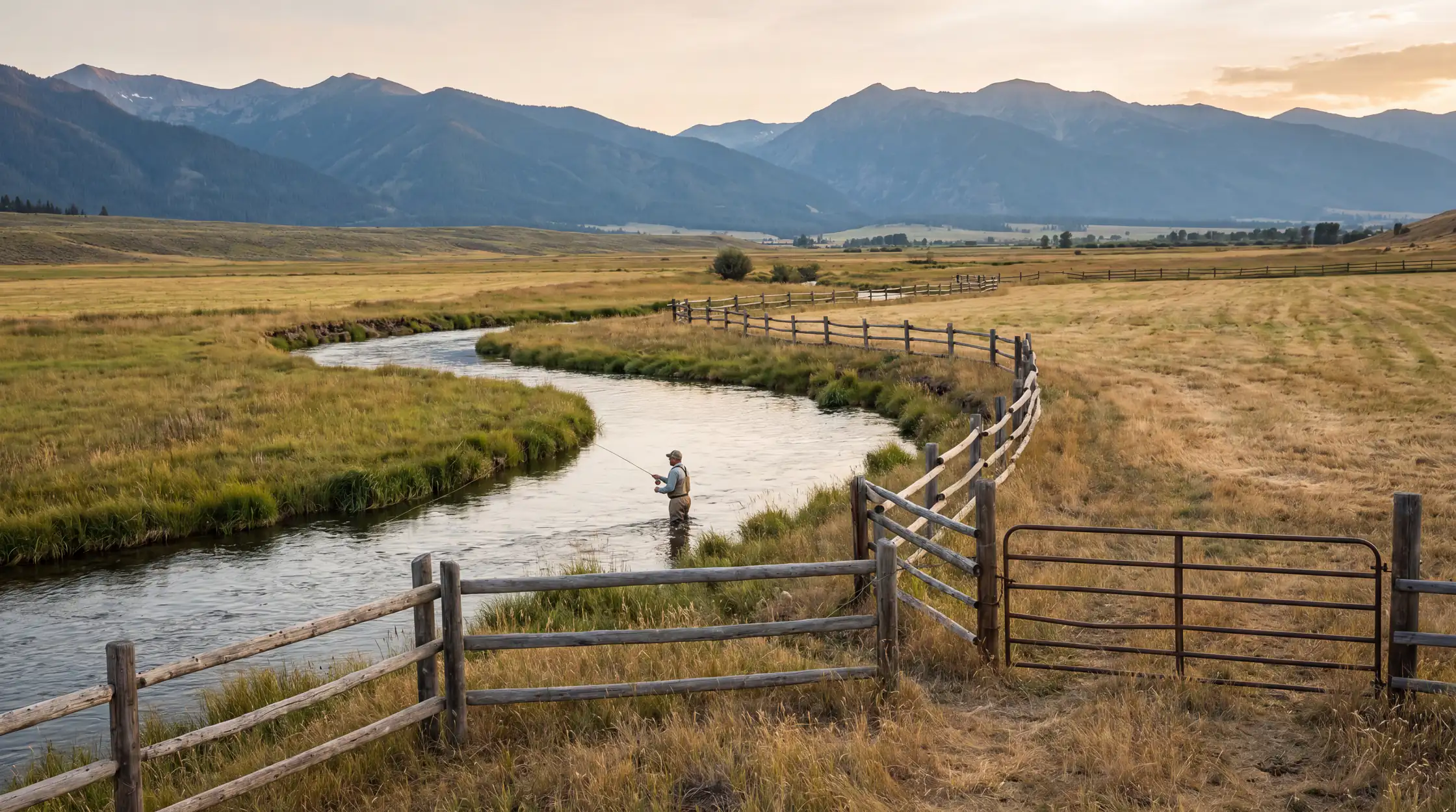
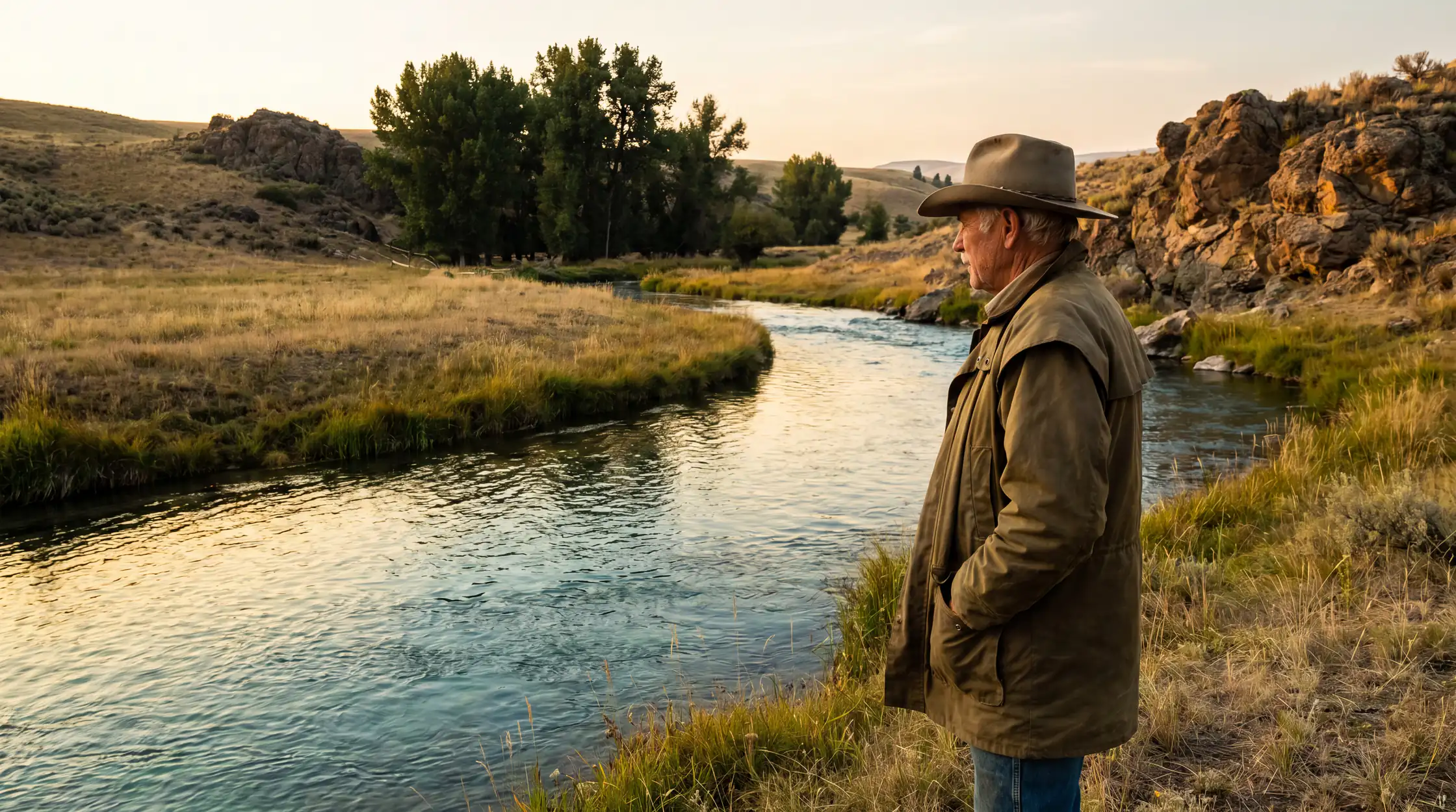
If you own property with a trout stream, spring creek, or river frontage, you are sitting on an asset that fly anglers will pay meaningful money to access. Quality private trout water in the American West generates anywhere from $50 to $300 per rod per day depending on the fishery, location, and exclusivity. A half-mile of productive spring creek that hosts 20 to 30 fishing days per month during the season can generate $10,000 to $50,000 or more annually.
The challenge has always been logistics. Most landowners do not want strangers wandering their property, and the work of vetting anglers, managing schedules, handling payments, and carrying insurance is more than most ranchers or property owners want to take on.
That is exactly the problem fly fishing clubs solve.
The Club Partnership Model
The most common and reliable way for landowners to monetize fishing access is to partner with a fly fishing club. In this arrangement, the club handles everything that the landowner does not want to deal with:
- Member vetting: The club screens every angler who will set foot on your property
- Booking management: The club schedules who fishes when, enforcing rod limits that keep pressure low
- Liability insurance: The club carries a policy that names you as an additional insured
- Rule enforcement: The club sets and enforces catch-and-release rules, barbless hook requirements, boundary compliance, and gate protocols
- Conservation stewardship: Many clubs invest in stream improvement projects that increase the value of your fishery over time
In return, the landowner receives compensation, typically structured as an annual lease payment, a per-rod fee, or a combination of both.
Income Structures
There are several ways to structure the financial arrangement:
Annual Lease The club pays a fixed annual fee for access rights, regardless of how many members fish. This provides predictable income and is the simplest model. Annual leases on quality trout water range from $5,000 to $50,000 depending on the length of the stretch, the quality of the fishery, and the region.
Per-Rod Fee The landowner receives a fee for each angler-day booked. This model ties income to usage, which can be more lucrative during peak season but less predictable. Per-rod fees typically range from $25 to $150 per angler per day.
Hybrid Model A base annual lease plus a per-rod fee above a certain usage threshold. This gives the landowner a guaranteed minimum with upside if the water is popular.
Revenue Share Some arrangements split booking revenue between the landowner and the club at an agreed percentage. This aligns incentives and works well when both parties are invested in growing the fishery.
What AnglerPass Offers Landowners
AnglerPass is designed to make the landowner side of this equation as simple as possible. There is no cost for landowners to list their property on the platform. Here is what the platform provides:
- Club matching: AnglerPass connects landowners with established fly fishing clubs that are looking for water to manage. You do not need to find a club on your own.
- Property listing: Your water is showcased with maps, photos, species information, and access details to attract quality clubs and their members.
- Booking transparency: You can see when anglers are scheduled to be on your property through the platform's calendar system.
- Payment processing: Lease payments and per-rod fees flow through the platform, eliminating the need for you to invoice or chase payments.
- Cross-club network: Your water becomes available not just to one club's members but to the entire AnglerPass network, increasing demand and potential revenue.
The platform's 15% booking fee is paid by the angler, not the landowner. Your agreed compensation from the club comes to you in full.
Liability and Legal Considerations
Liability is the number one concern for most landowners considering fishing access. The good news is that every state in the American West has some form of recreational use statute that limits landowner liability when access is granted for recreational purposes. Colorado, Montana, Wyoming, Idaho, and Oregon all have strong protections.
That said, these statutes are not absolute, and you should consult an attorney familiar with your state's specific laws. The additional protection provided by the club's liability insurance policy is an important second layer of defense.
Key legal elements to address in any access agreement:
- Defined boundaries specifying exactly which areas are accessible
- Access schedules including seasonal closures
- Prohibited activities beyond fishing (no camping, no fires, no vehicles off designated roads)
- Indemnification clauses protecting the landowner from claims arising from angler activity
- Termination provisions allowing either party to end the arrangement with reasonable notice
Protecting Your Property
Beyond legal protections, practical measures help ensure that fishing access does not create problems:
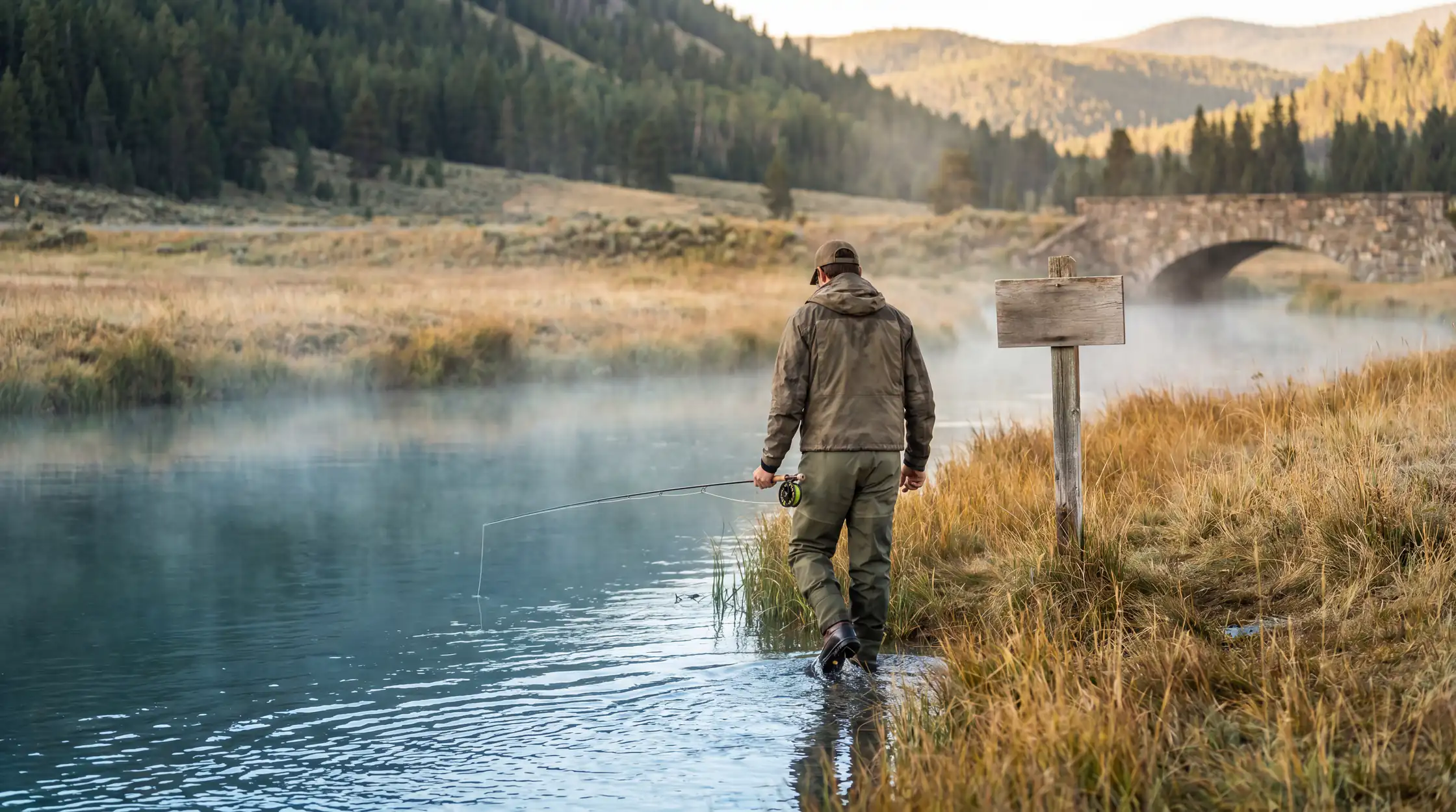
- Clear signage marking boundaries, parking areas, and access trails
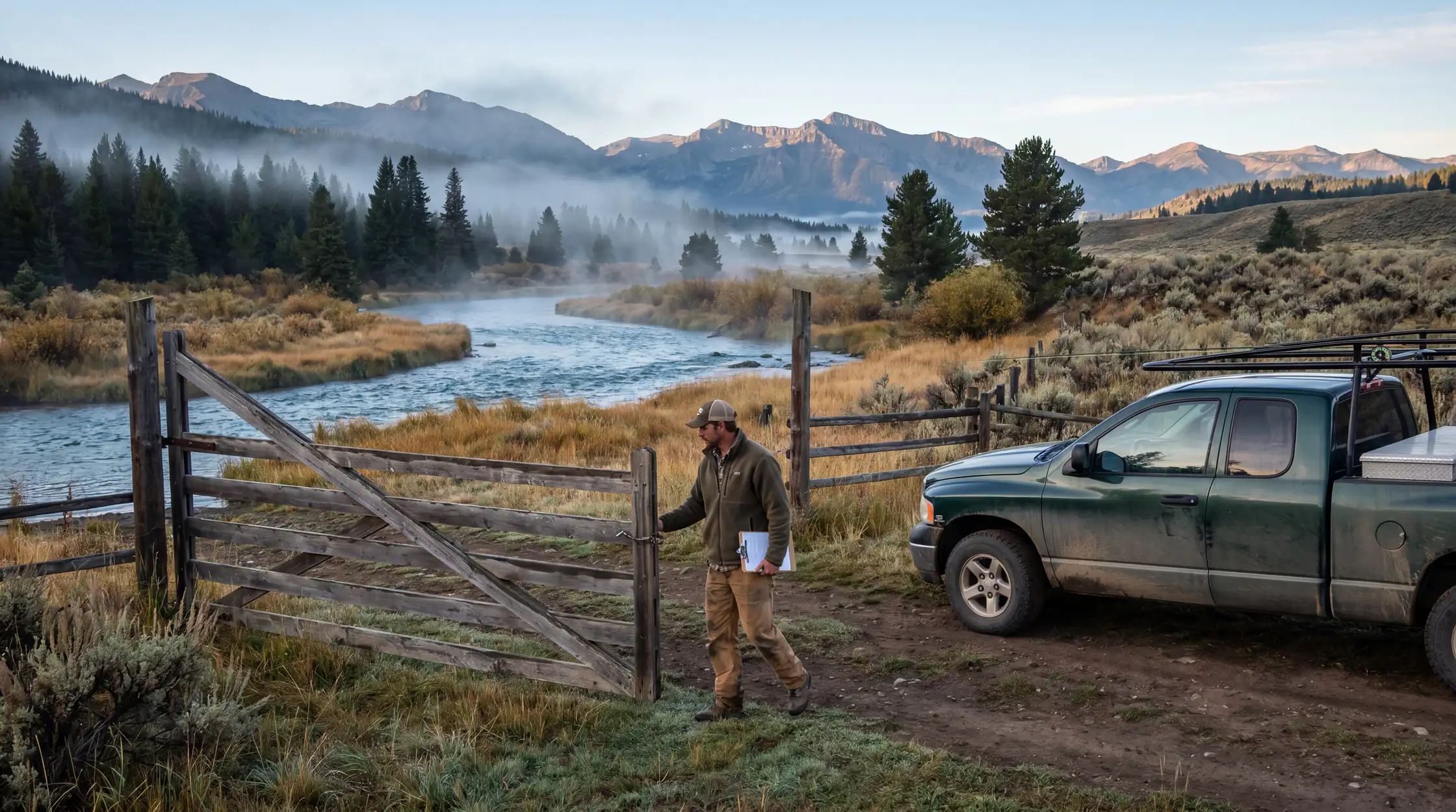
- Locked gates with combination or key access provided only to scheduled anglers
- Check-in requirements so you know who is on your property and when
- A single point of contact at the club who responds immediately to any issues
AnglerPass provides digital access instructions and GPS-tagged entry points, so anglers know exactly where to go and where not to go.
Getting Started
If you own fishable water and want to explore income opportunities, the first step is understanding what you have. The length of accessible water, the species present, the quality of the habitat, and the proximity to population centers all affect the value of your fishery.
AnglerPass can help you evaluate your water's potential and connect you with a club that is a good fit for your property and your preferences. Many landowners start with a single season trial to see how the arrangement works before committing long-term.