The Friction Most Anglers Have Lived With
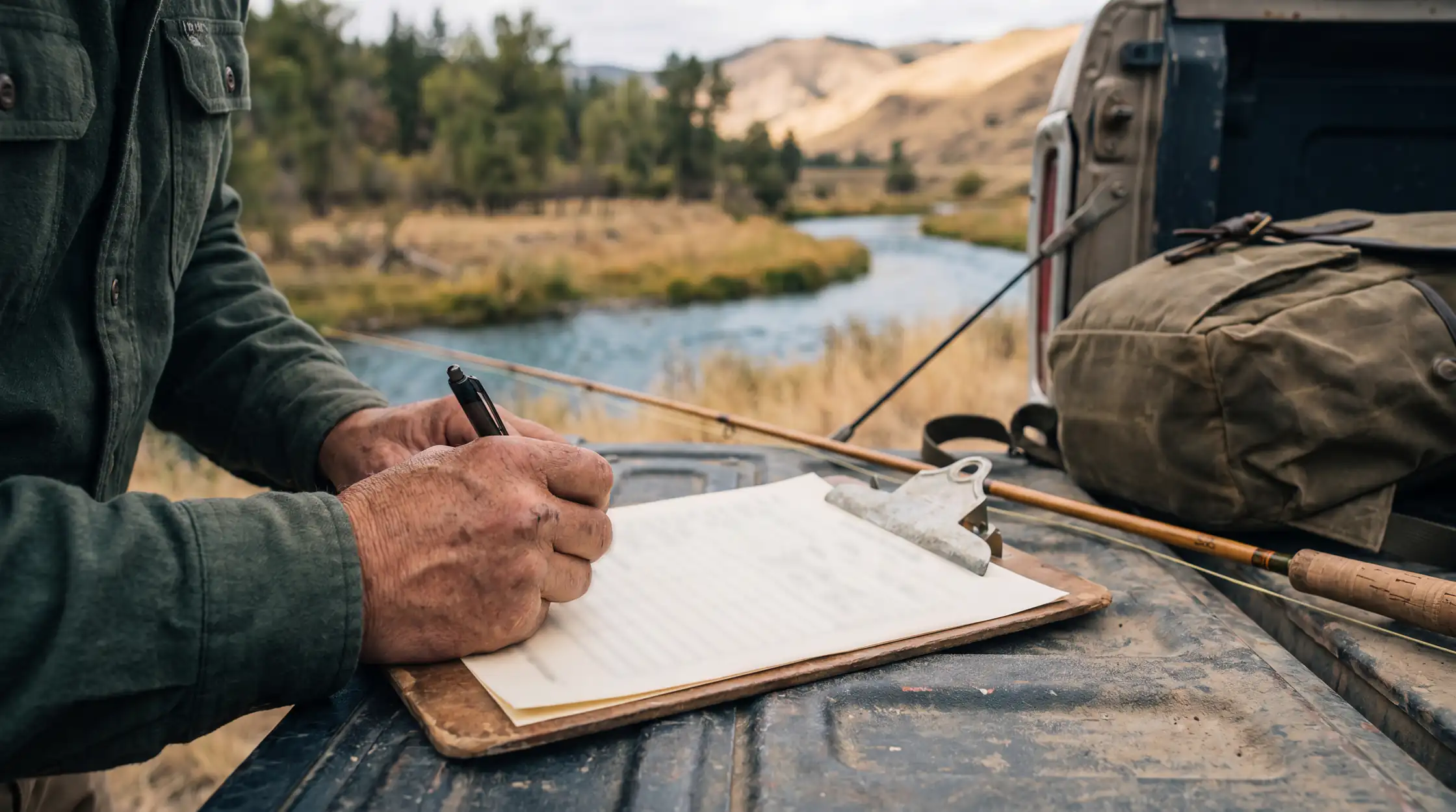
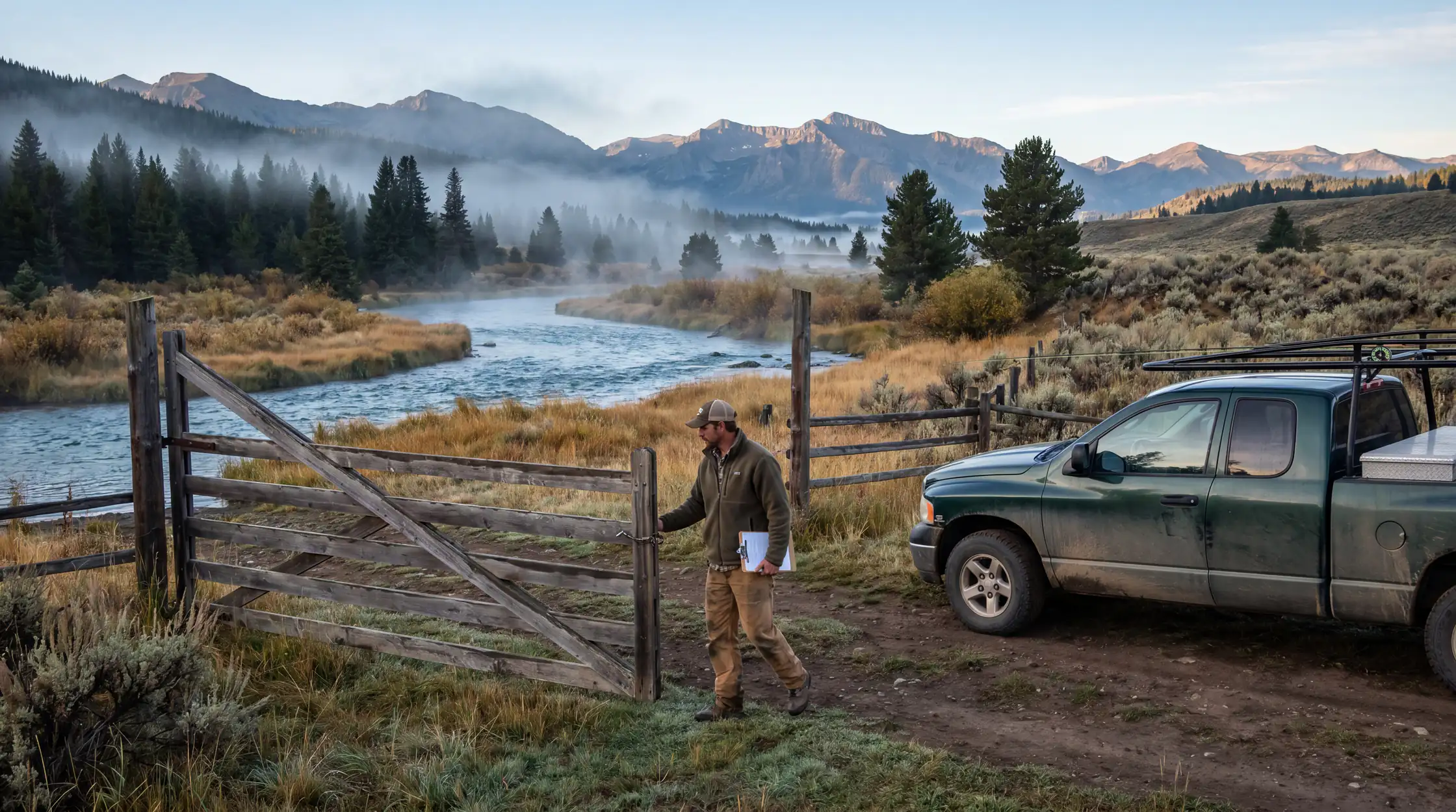
If you have ever tried to book a day on a piece of private water under the older model, you know the friction. You call someone. They call you back. You exchange emails about dates. You wait for confirmation of capacity. You send a check or a venmo for a deposit. You receive a paper waiver. You wait for the day. On the morning of the trip, you call once more to confirm the gate code. You arrive uncertain about parking.
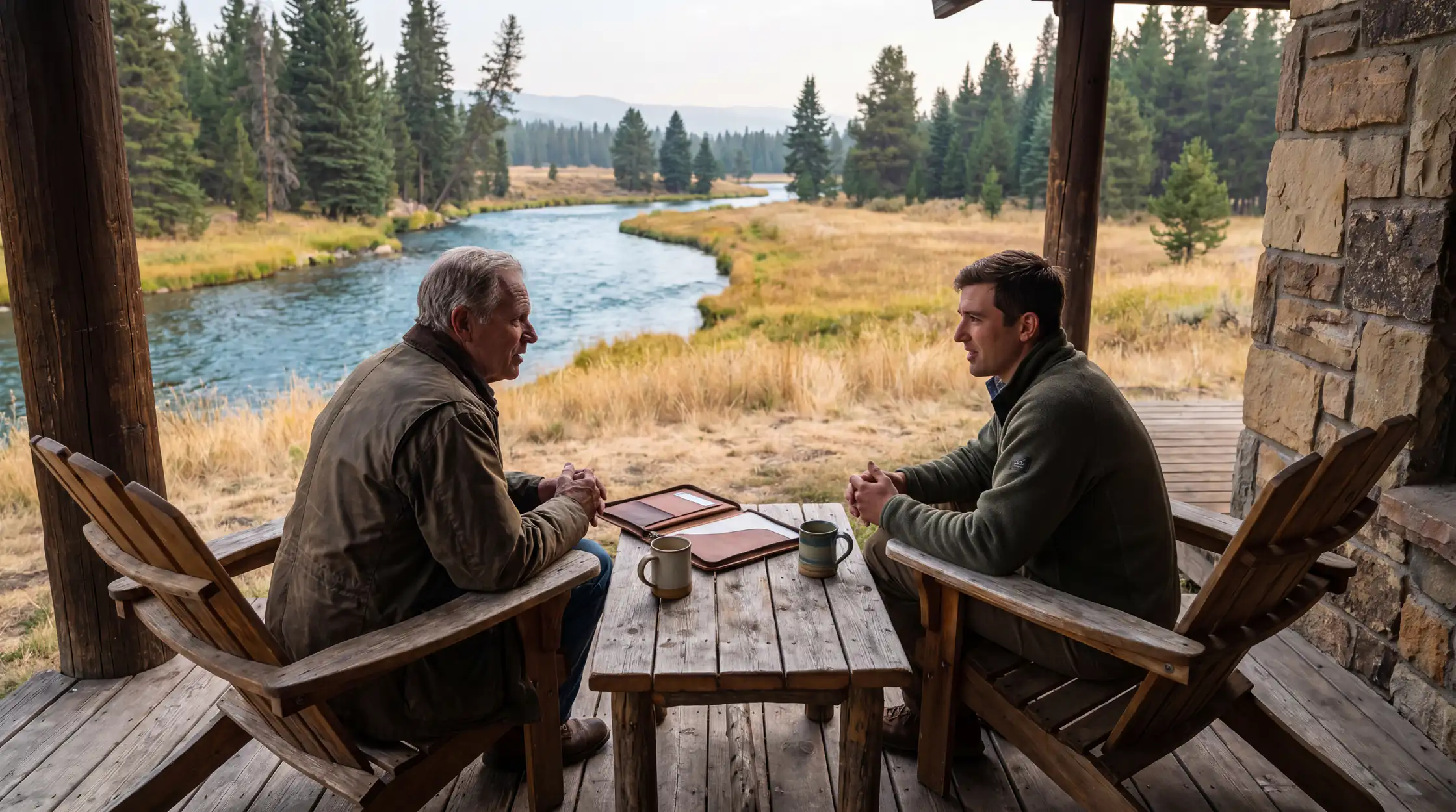
None of this is anyone's fault. The reason private water access has historically operated this way is that it grew out of personal relationships. The landowner knew the club president. The club president knew the members. The members knew which beats they preferred. The whole system functioned on phone calls because the volume was small enough that phone calls were the right tool.
The problem is that this model does not scale, and it does not serve the modern angler well. The angler who used to wait three days for a return call is now used to booking a hotel room in ninety seconds. The patience for the old way has eroded. The expectation has shifted. And the better operators have recognized that meeting the expectation is not a betrayal of the model. It is the next stage of the model becoming usable to the people the model was always meant to serve.
What Hotel Booking Got Right
Hotel booking, as the modern hospitality industry runs it, has solved a specific set of problems that are worth naming.
It is real-time. You can see availability at the moment you are looking. You are not asking and waiting. The inventory is exposed and the system is honest about what is available.
It is single-transaction. You book the room, you pay the deposit or the full amount, you receive a confirmation, and you are done. There is no phase two of the process that you have to chase down. The transaction has a beginning, a middle, and an end, and it all happens in the same session.
It is transparent on price and policy. You know what you are paying. You know the cancellation policy. You know what is included and what is not. The terms are visible and the surprises are minimized.
It is forgiving. If your plans change and the cancellation window allows it, you cancel without drama. If the property has to relocate you because of a problem, you are accommodated. The relationship between the guest and the operator has friction-handling built in.
These qualities are what make the hospitality experience feel professional. Private water booking should have all of them.
What Private Water Adds
The difference between booking a hotel and booking private water is that the hotel does not care who you are. The hotel cares that your card clears. The bedroom can be rented to anyone with money. The exchange is purely transactional.
Private water cannot work that way. The whole point of the structure — the landowner's willingness to open the property, the club's willingness to vouch for the angler, the carefully managed capacity, the conservation discipline — is that not everyone gets in. The system is gated by design. The booking has to respect that.
This means the platform layer underneath private water booking has to do something the hotel platform does not. It has to check that the angler is a member in good standing. It has to confirm that they have signed the waivers their club requires. It has to apply the property's specific capacity rules, which vary by tier and by club. It has to surface the landowner's specific rules for the day — flow notes, weather concerns, any operational constraints. And it has to do all of this in the time it takes to book a hotel room.
The technical work to make this happen is real. It is the reason the older systems didn't do it. But it is achievable, and the modern platforms are achieving it.
The Calendar Problem
The hardest part of getting private water booking right is the calendar. A property's calendar is the live record of every constraint the system has to honor: the daily rod capacity, the landowner blackout dates, the club's reserved windows, the weather closures, the maintenance days, the seasonal restrictions.
A calendar that gets these constraints right looks simple on the surface. The angler sees available dates and unavailable dates. What is happening underneath is that every available date has been checked against the full constraint stack — capacity, member access, seasonal rules, day-of conditions — before it gets exposed as bookable.
Getting this right is harder than it looks. Most early attempts at digitizing private water calendars failed at exactly this point. The system would show a date as available, the angler would book it, and then a club coordinator would have to call the angler back and explain that the date wasn't actually available because of a constraint the system didn't track. The trust in the booking system collapses the first time this happens. The angler goes back to phone calls.
The modern platforms have learned to model the constraints carefully. The calendar is not just a yes/no field. It is the live output of a system that knows how the property runs. And when the angler sees a date available, that date is genuinely available.
Trust Without Friction
The most interesting design challenge is preserving the trust mechanics of the model — vetting, accountability, community standards — without making the booking feel bureaucratic.
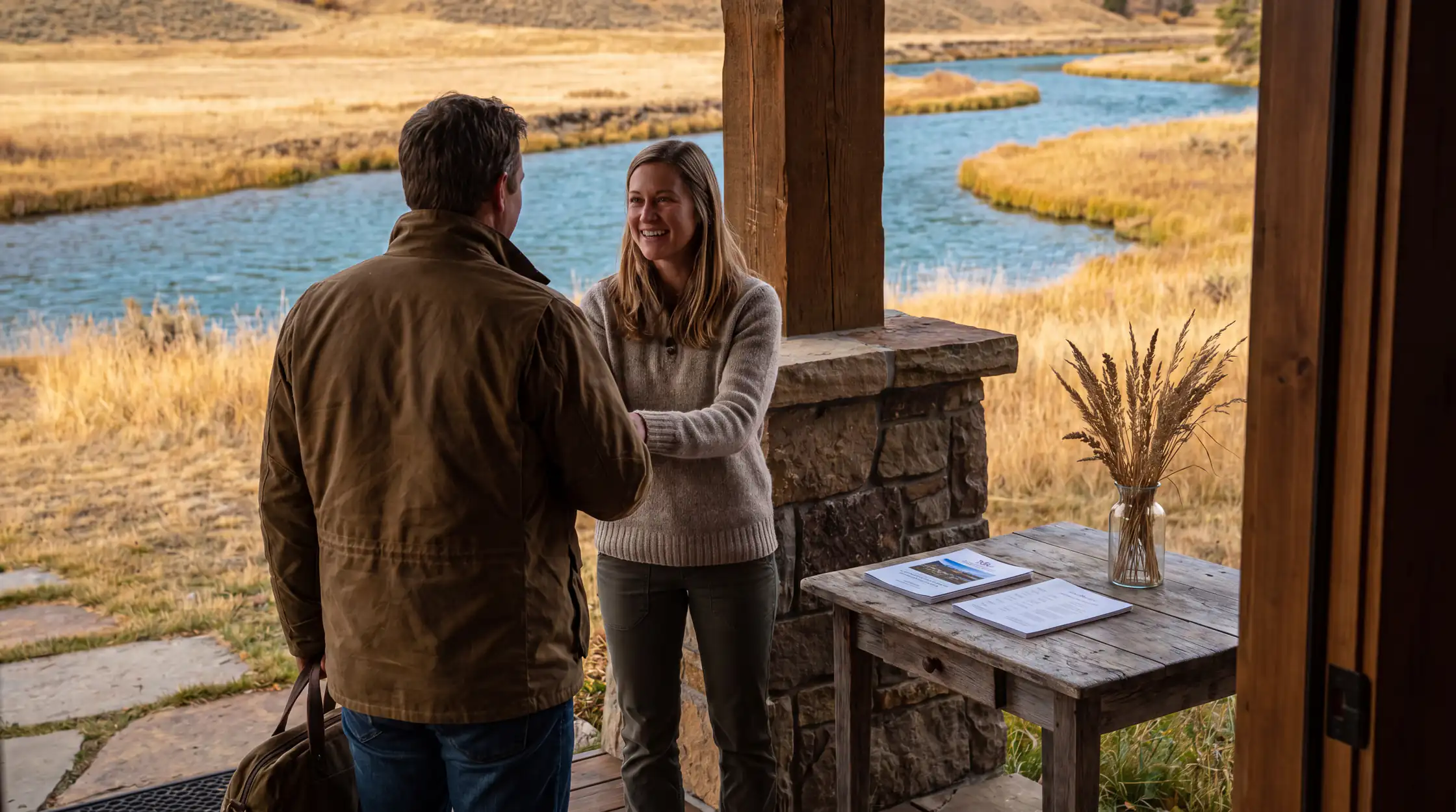
The answer is structure that operates in the background. The vetting happens once, at membership. The waivers are signed once per season, on a single click. The conduct expectations are surfaced in the booking confirmation, not in a four-page form. The community fit is established through the club application process, not through every individual booking.
The angler experiences a smooth transaction. The system underneath is doing all the same work the old phone-call process did, but it is doing it in milliseconds and without requiring the angler to interact with it. This is the design pattern of the modern booking layer: the rigor is preserved, the friction is moved into infrastructure that the angler never has to think about.
This is exactly what hotel booking did fifteen years ago for a different industry. The check-in process used to be slow. The reservation used to require a call. The check-out used to require human review of every charge. All of that work still happens, but it happens automatically, in the background, with the guest's experience preserved as a smooth one.
What's Coming
The direction of private water booking is clear, and it is moving fast. The bookings that used to take three days will take ninety seconds. The waivers that used to require paper will be signed on a phone. The calendar that used to live in someone's head will be a live system that an angler in another state can query at midnight. The confirmation that used to arrive as a printed letter will land as a push notification.
The rigor underneath does not change. The landowner is still vetted. The club is still vouching. The angler is still a member in good standing. The water is still being managed at sustainable capacity. The conservation ethic is still in place.
What changes is the experience the angler has of accessing it. The friction goes away. The model becomes usable at the scale and pace of modern life. The clubs that adopt this layer can serve more members, more reliably, with less administrative burden. The landowners can host more anglers with less operational chaos. The platform underneath does the work the older systems used to require humans to do.
This is not a technological upgrade. It is the booking experience finally catching up to the rigor of the access model that built it. And it is what makes the next decade of private water access scalable — not by lowering the standards, but by making the standards operable at speed.