The Quiet Layer Underneath Good Water
When you read about a private trout property — a spring creek tucked into a working ranch, a stretch of freestone bottom that hasn't been subdivided in three generations, a meadow stream that still holds wild fish — there is often a legal document behind it that doesn't get mentioned in the listing. That document is a conservation easement. It is the reason the water is still productive enough to be worth fishing, and it is increasingly the reason that water remains accessible at all.
Easements are not glamorous. They live in county land records, get recorded once, and then operate silently in the background for the rest of the property's life. But for anglers who want to understand why some private water has held up over decades while comparable water nearby has been degraded by ranchettes and water diversions, the easement is usually the answer.
What a Conservation Easement Actually Is
In its simplest form, a conservation easement is a contract between a landowner and a land trust or government agency. The landowner agrees to permanently restrict certain uses of the property. The land trust holds the right to enforce those restrictions, in perpetuity, against the current owner and every future owner of the land.
The landowner keeps title. They can continue ranching, building a single home, harvesting hay, running cattle, leasing the property for fishing access. They can sell the property whenever they want. What they cannot do — and what no future owner can ever do — is the specific list of things the easement extinguishes. The list is negotiated property by property and varies, but the typical restrictions on trout water include subdivision, new commercial development, new water diversions, removal of riparian vegetation, alteration of stream channels, and conversion of working land to residential use.
The restrictions are not advisory. They are recorded against the deed, run with the land, and bind every future owner regardless of price, intent, or political climate. A buyer who acquires a conservation-eased property is acquiring it with the same restrictions in place, forever.
Why Easements Matter for Trout Water
Trout streams are sensitive to almost everything that happens in their watershed. Subdivision increases impervious surface, which spikes runoff and sediment loads. New driveways and septic systems near a streambank degrade water quality. Riparian vegetation removal raises water temperatures by stripping the shade that cools the stream in summer. Channel alteration — straightening, dredging, riprap — destroys the structure that wild fish use to hold and spawn.
Most of the private water in the American West that still fishes well is water where some combination of those impacts did not happen. The reason it didn't happen is usually that the landowner — sometimes a generation or two ago — placed the property under easement and forfeited the right to do those things in exchange for tax benefits and a guarantee that the land would stay the way they remembered it.
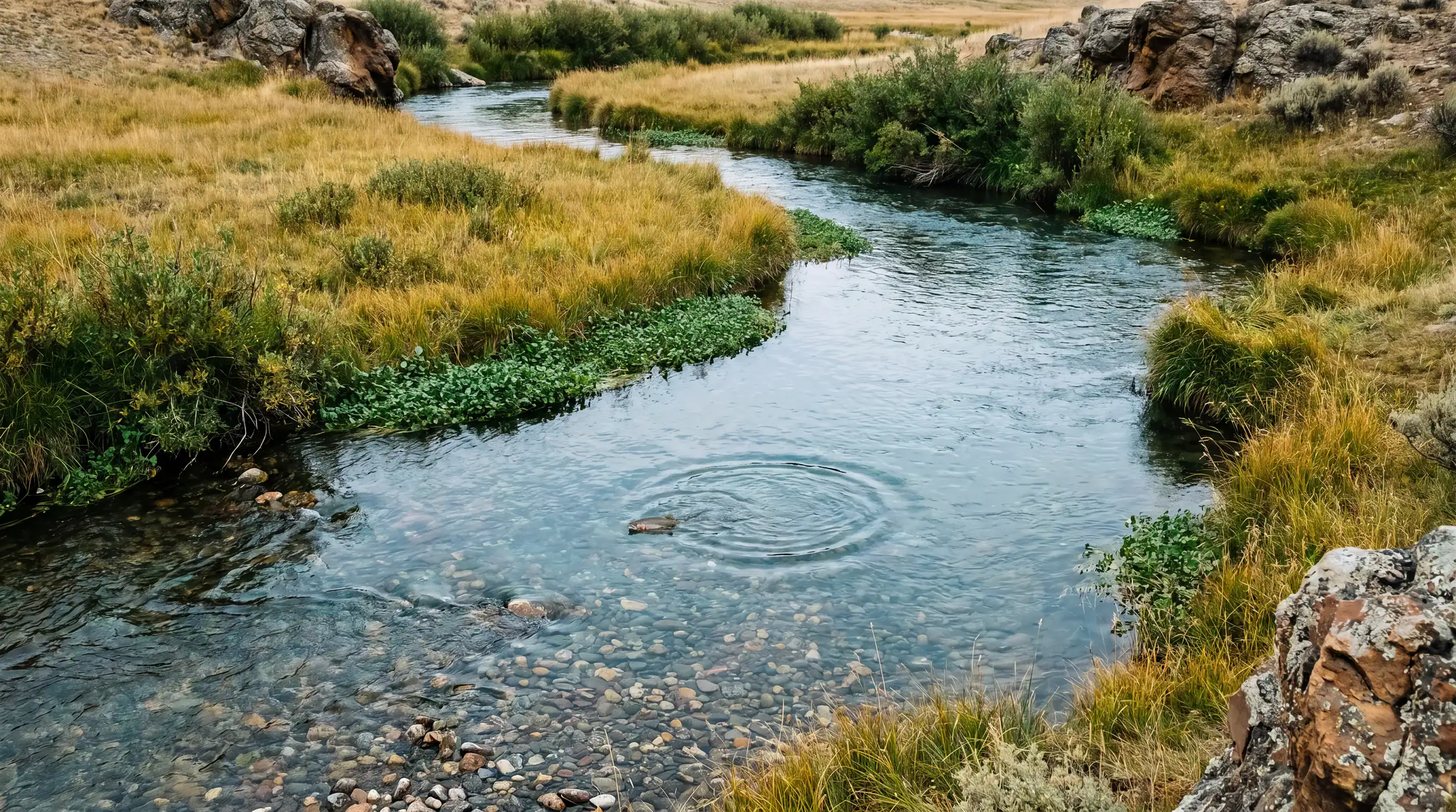
For an angler, this is not an abstract benefit. It means the stream still has a forested buffer. The bottom hasn't been bulldozed. The neighboring forty acres can't be sold off as a five-lot subdivision next year. The water above and below the property hasn't been diverted into a series of new wells supporting a real estate development. The conditions that made the water productive thirty years ago are the conditions you are fishing today.
What the Easement Means for a Club
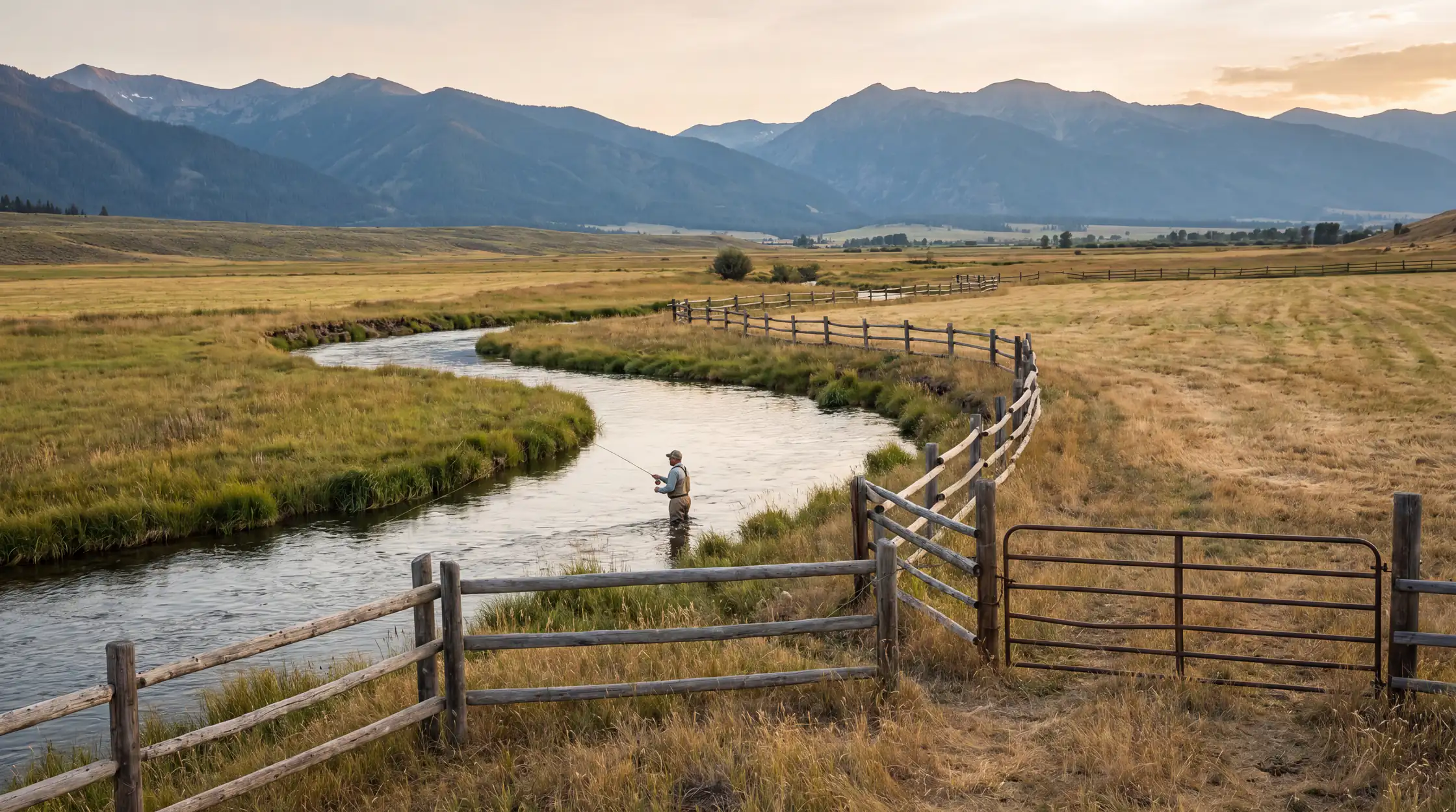
Fly fishing clubs that lease access to easement-protected properties are operating on stable ground. The landowner cannot suddenly decide to sell off the riparian zone. The next owner — if there is one — inherits the same restrictions. The water cannot be developed out from under the club's membership.
This is part of why clubs and easement-holding landowners are natural partners. Both want the same long-term outcome: working land that remains productive, water that remains clean, fish populations that sustain themselves, and a manageable level of access by a known group of people. An easement makes the long-term commitment of a club lease worth the work of putting it together. The club can invest in habitat improvement, build relationships with neighboring landowners, and develop a multi-year angler experience without worrying that the property will be sold to a developer in 2031.
The arrangement also tends to attract a particular kind of landowner. People who place their land under easement have usually thought carefully about what they want the property to look like in 50 years. They are generally interested in conservation-aware angling access — careful catch-and-release, capacity-managed days, vetted members, no commercial pressure. These are the same values the better clubs operate on, and the alignment makes the lease relationship easier to sustain.
What Happens When a Property Sells
The most useful thing about a conservation easement is what happens when the original landowner is no longer involved. The easement does not depend on the goodwill of the family that placed it. The land trust holds the enforcement right and exercises it regardless of who owns the property.
When an easement-protected property changes hands, the buyer is informed during due diligence. The restrictions are baked into the price — easement-protected land often trades at a discount relative to comparable land without one, because the development upside has been forfeited. Buyers who acquire these properties are usually doing so because they want what the easement guarantees: working land, intact landscape, no neighboring subdivisions.
For anglers and clubs, this means that even if the original landowner sells out, the conditions of the water tend to stay the same. The new owner cannot subdivide. They cannot remove the riparian buffer. They cannot dredge the channel. Whatever lease or access arrangement is in place may need to be renegotiated, but the underlying water is protected by something more durable than a handshake.
The Tax Side, Briefly
Most landowners who place property under easement receive a charitable deduction equal to the appraised value of the rights they extinguished. The IRS allows the deduction against ordinary income, subject to a percentage cap, with a carryforward for unused amounts. State-level tax credits exist in many western states and can be substantial, sometimes transferable. For landowners with significant land equity but limited liquid income, the easement is often the way they generate the resources to keep the property in the family.
This is a deliberately compressed summary of an area that has its own specialists and rules — anyone seriously considering an easement should work with a land trust and a tax advisor who do this regularly. The point for anglers is that the financial machinery exists, it works, and it is one of the main reasons working land in trout country has stayed working.
What Anglers Should Know
Most anglers will never read the easement on a property they fish. They don't need to. But it's worth understanding the layer because of what it tells you about the water.
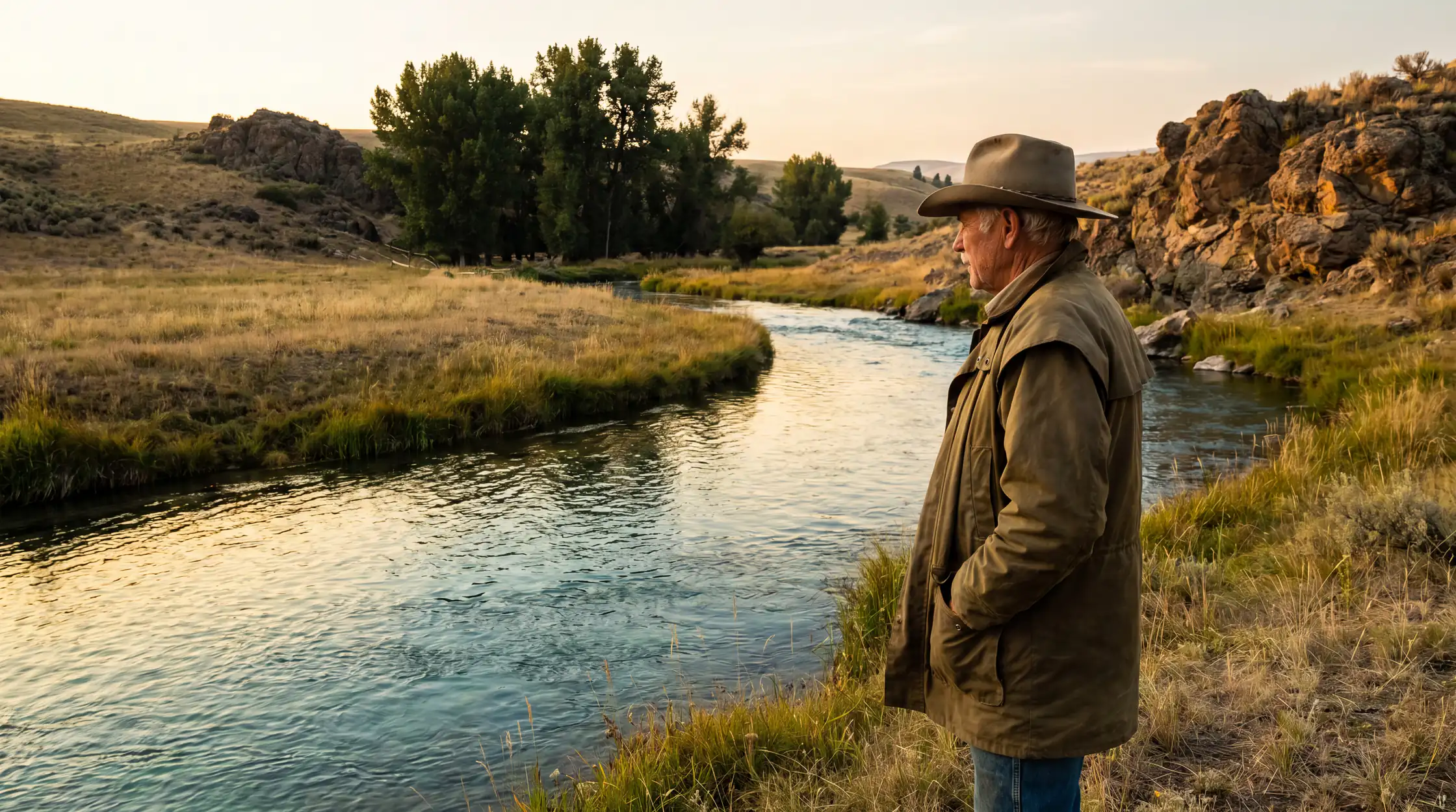
If a private property has been under easement for fifteen or twenty years, the conditions you see are the conditions someone fought to lock in. The bank cover is intentional. The unbuilt neighboring acres are intentional. The undiverted spring inflows are intentional. The fact that the water still holds wild fish is not a coincidence. It is the result of a legal commitment made decades earlier by people who wanted the place to stay the way it was.
It is also a reminder that good water is fragile, and that the alternative to legal protection is not stability — it is gradual loss. The trout streams that have not been protected by easements have, in many cases, been altered or impaired. The ones that have been protected are the ones that are still worth a long drive.
For anglers who care about long-term access, the policy implication is clear: support land trusts, support working-lands easement programs, and recognize that the clubs and landowners who choose to put their water under permanent protection are doing the actual work of keeping the resource intact. The water you book a rod on next summer may exist in its current condition because of a paragraph that someone signed twenty years ago and a land trust that has quietly enforced it every year since.